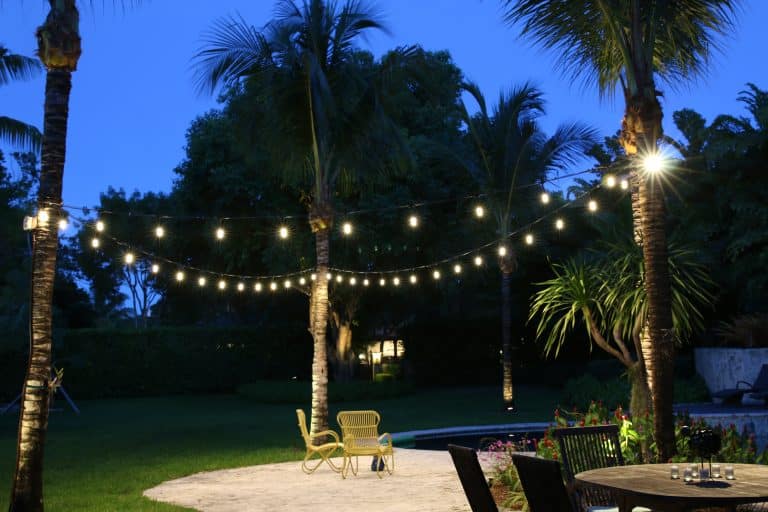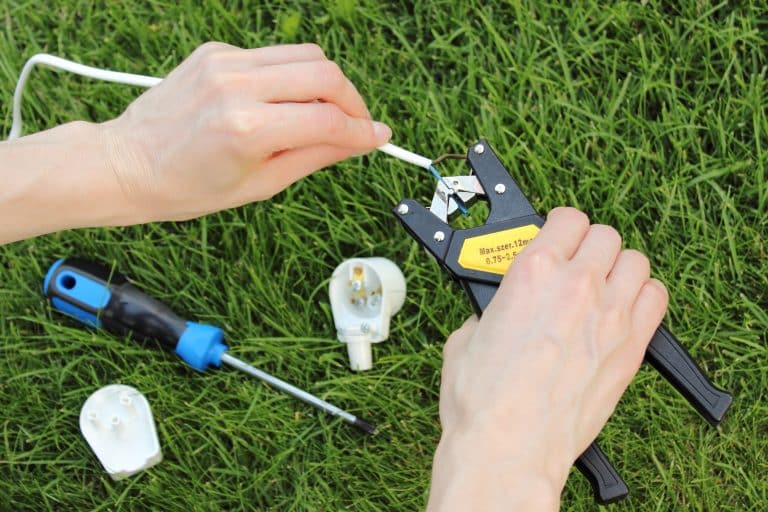
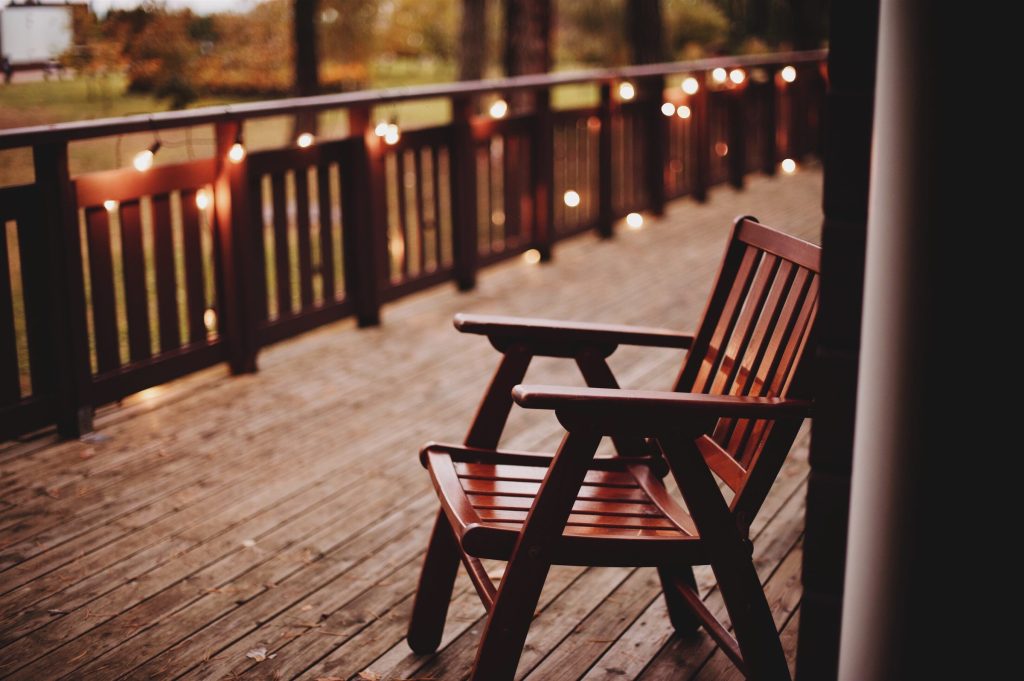
To run wiring for deck and patio lighting in New Orleans, plan it before any surface goes down. Map what needs light, choose low voltage for path and accent fixtures or line voltage for floodlights and receptacles, size the circuit and transformer with room to grow, and rough in cable or conduit while the deck frame is open or before pavers are set. Line-voltage outdoor work belongs with a licensed electrician.
At Big Easy Lighting, we know the costliest outdoor lighting problems often start with wiring that was never planned for. The fixtures are fine and the plan is fine, but the cable has nowhere to go.
Once decking is screwed down or pavers are set, every new run becomes surface-mounted conduit or a trench through finished work. Neither is what anyone wants.
The sequence below is the order the work actually has to happen in. Contact us today to plan the wiring before your deck or patio is built.
How Should Outdoor Lighting Wiring Be Planned for a New Orleans Deck or Patio?
You run outdoor lighting wiring by mapping what needs light, choosing low voltage or line voltage, sizing the circuit and transformer, and then placing cable or conduit before the deck boards or pavers go down. Line-voltage runs need the correct cable, burial depth, weatherproof boxes, and ground-fault protection, which is licensed electrician work.
Start by mapping function rather than fixtures. Steps, level changes, and the path from the back door are the positions that have to be lit; everything else is a choice.
Walk the space after dark with a flashlight and mark where the useful light needs to land. That exercise usually reduces the fixture count and improves the result at the same time.
Write the map down before pricing anything. A plan that exists only in conversation is a plan that grows by three fixtures between the estimate and the install.
Choose Line Voltage or Low Voltage
The voltage choice drives everything downstream, from cable type to burial depth to who should do the work.
Where Low Voltage Makes Sense
Low-voltage systems run through a transformer that steps standard household power down to a much lower level, which makes the cable safer to handle and simpler to route. Most pathway lighting, step lights, and deck accent fixtures run at low voltage.
Cable runs are more forgiving, burial requirements are lighter, and adding a fixture later is straightforward. For a residential deck or patio, it is usually the right answer.
The limit is total load. Both the transformer and each cable run have a capacity, and exceeding it shows up as fixtures at the far end running dim.
Where Line Voltage Is Still the Answer
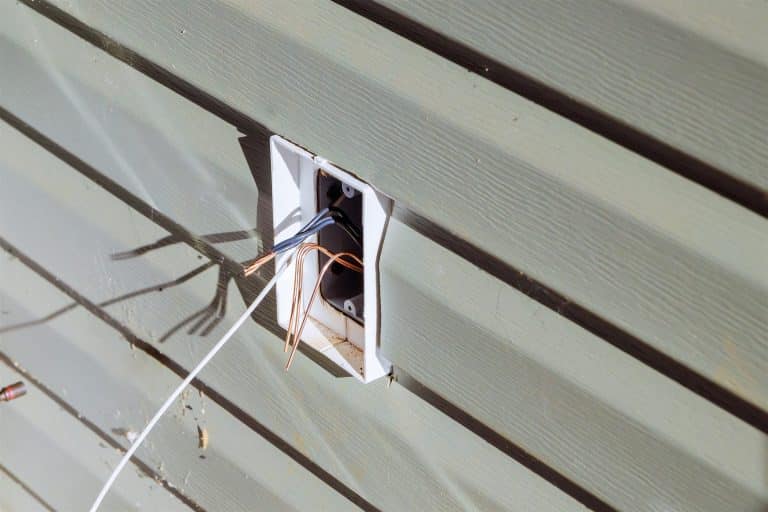 Anything that draws real power, such as a floodlight, a ceiling fan, or a covered patio fixture, is generally line voltage. So is any receptacle you want on the deck.
Line-voltage work outdoors requires the correct cable or conduit, proper burial depth, weatherproof enclosures, and ground-fault protection. It is licensed electrician work rather than a weekend project.
Many patios end up with both. A line-voltage circuit feeds the covered area and the receptacles, and a transformer on that circuit feeds the low-voltage landscape lighting run.
Controls, Switching, and Zones
Decide early how the lighting will be switched, because it affects how many cable runs you need. One switch for everything is cheap and almost always regretted.
Separating step and path lighting from accent lighting lets you use the space without lighting it like a parking lot. Two or three zones are usually enough.
Timers, photocells, and smart controls all work outdoors, but each needs a location that stays dry and reachable. Choose that location on the plan rather than on the day.
Size the Circuit and Place the Transformer
Sizing for what you are installing today is the most common planning error, because outdoor lighting almost always grows.
Add Capacity for What Comes Later
Total the wattage of every fixture in the plan, then size the transformer and the circuit above that total rather than at it. Headroom is inexpensive at the planning stage and impossible to add cheaply afterward.
A deck that picks up more fixtures in three years will want more capacity than it has today.
The same logic applies to the number of cable runs leaving the transformer. Pulling one spare run is far cheaper than trenching again.
Give the Transformer a Real Location
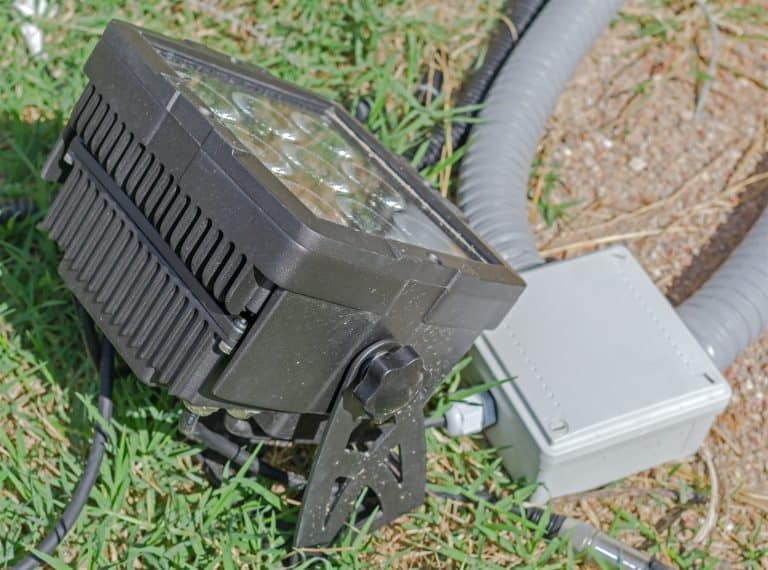 A transformer needs a sheltered, ventilated, accessible spot with line-voltage power at it. A spot tucked under the deck where nobody can reach it does not qualify.
Keep it close enough to the fixtures that voltage drop across the run stays manageable. Long runs to distant fixtures are the usual cause of dim output at the end of the line.
Mounting height and clearance matter in a flood-prone city. Raising the transformer above grade is a small decision with a long payoff.
Protect Every Outdoor Circuit
The National Electrical Code requires ground-fault protection on outdoor receptacles at homes, and in a wet environment it is a critical safeguard. It is not optional, and it should never be bypassed.
Weatherproof covers need to be the kind that close over a plug in use rather than only when empty. The difference is visible on the packaging and matters every time it rains.
Our deck and patio lighting service uses weather-rated, sealed fixtures built for Gulf moisture, and the circuit feeding them deserves the same attention.
| Planning Decision | Decide It At | Cost of Changing It Later |
|---|---|---|
| Which areas get lit | Before the estimate | Low, if the cable is already there |
| Line voltage or low voltage | Before any cable is bought | High, since the cable type changes |
| Number of switching zones | Before rough-in | High, since it means extra runs |
| Transformer location and size | Before rough-in | Moderate to high |
| Fixture style and finish | Any time before install | Low |
Rough in Before the Deck Boards Go Down
The rough-in is the step that cannot be recovered. Cable has to be in position before the surface that covers it is fixed.
On a deck, that means running to every post cap, riser, and rail position while the frame is still open, including positions you are not certain about. An unused cable tail coiled in a joist bay costs little and saves a rebuild.
On a patio, it means sleeving under anything that will be paved or poured. A short length of conduit crossing under a walkway is the difference between a future addition and a future demolition.
Photograph the runs before they are covered, with a tape measure in frame for reference. In two years, that photograph is the only record of where the cable actually went.
Label each tail at the transformer end as it is pulled, using tags that will survive weather rather than tape. An unlabeled bundle of identical cables is a diagnostic problem waiting for whoever adds the next fixture.
Leave the sleeves under paving open at both ends and mark them on the plan. A capped conduit that nobody can find again is the same as no conduit at all.
Plan the Wiring Before the Surface Goes Down
Deck and patio lighting is one of the few parts of an outdoor build where the cheapest choice and the correct choice are the same one, provided it is made early enough. Everything about it gets more expensive the moment the surface is finished.
At Big Easy Lighting, we plan the lighting layout to suit the structure, and the earlier that planning starts, the fewer compromises the wiring needs. Call us today to get the wiring mapped before your deck or patio is closed up.
Frequently Asked Questions
Do Deck Lights Need to Be on Their Own Circuit?
Not necessarily, but they should be on a circuit with enough spare capacity for the whole run plus future additions. Low-voltage lighting draws very little through its transformer. The question is usually whether the circuit feeding the transformer is already loaded.
What Are the Two Different Types of Deck Lighting Systems for Decks?
The two types are low-voltage and line-voltage systems. Low-voltage systems run through a transformer and suit step, path, and accent lights, while line-voltage systems run at standard household power and handle floodlights, ceiling fans, and receptacles. Most decks and patios in New Orleans end up using both.
Can I Install Deck Lighting Myself?
Low-voltage fixtures on an existing transformer are within reach of a competent homeowner. Anything involving line voltage, including new circuits, buried line-voltage runs, or outdoor receptacles, is licensed electrician work. Outdoor line-voltage work may also require a permit and inspection, so confirm with the local permit office before any work starts.
When Should Lighting Cable Be Installed on a New Deck?
Install lighting cable while the frame is open and before the decking is fixed. Running cable to every post, riser, and rail position at that stage, including positions you are undecided about, costs very little. Retrofitting after the boards are down means surface conduit or lifting finished work.
How Do I Avoid Dim Lights at the End of a Run?
Dim output at the far end is usually voltage drop across a long low-voltage run or a transformer loaded beyond its capacity. Keep runs shorter, split the load across several runs from the transformer, and size the transformer above your total fixture wattage.
Do Outdoor Lights Need GFCI Protection?
Ground-fault protection is required for outdoor receptacles at homes under the National Electrical Code, and it is a key safeguard in a wet environment. Fixture requirements vary with the type and voltage. A licensed electrician confirms what applies to your specific layout against the locally adopted code.
How Many Lighting Zones Should a Deck Have?
Two or three zones are usually enough for a residential deck. Separating step and path lighting from accent lighting lets you use the space at low light levels. Each zone needs its own switched run, so the decision has to be made before rough-in.
Where Should a Landscape Lighting Transformer Go?
A landscape lighting transformer belongs somewhere sheltered, ventilated, accessible, and close enough to the fixtures to limit voltage drop, with line-voltage power available at it. Raising it above grade is worth doing in a flood-prone area. Under the deck where nobody can reach it is the common mistake.

Big Easy LightingOutdoor and landscape lighting for homes and businesses across New Orleans and the Northshore. Free estimates and evening demos.