By Admin
  Jan 28, 2026
How To Upgrade Your Outdoor Lighting For Enhanced Security in New Orleans, LA
-
 By Admin


Opening Hours Mon - Fri: 8:00 AM - 6:00 PM

Talk to an Expert 504-784-6858
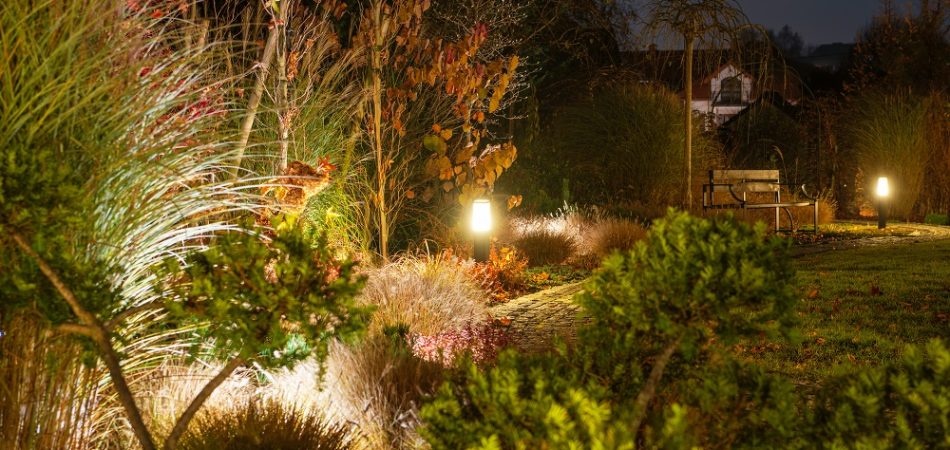
Strategic garden lighting enhances outdoor spaces by creating a warm, inviting atmosphere for entertaining while increasing safety and security. Key techniques include layering ambient, accent, and task lighting using fixtures like LED path lights, spotlights for accenting trees, and string lights, which add a magical glow to patios and walkways.
When the sun sets, most gardens disappear into darkness. All that daytime beauty, the flowering beds, the mature trees, the carefully designed hardscape, becomes invisible the moment you might actually want to enjoy it. Strategic outdoor lighting changes everything, extending your living space into the evening hours, creating atmosphere for gatherings, improving safety along walkways, and adding security to your property.
At Big Easy Lighting, our team has spent years helping New Orleans homeowners bring their outdoor spaces to life after dark. Whether you want to highlight architectural features, illuminate pathways for guests, or simply enjoy your backyard after dinner, the right lighting approach makes it possible.
If you prefer professionals handle the details, contact us today for a free consultation.
The benefits of thoughtful outdoor lighting extend well beyond aesthetics, though the visual transformation alone justifies the investment.

Safety and Security: According to security industry research, homes without adequate outdoor lighting are up to three times more likely to be targeted by burglars. Illuminated pathways also prevent trips and falls, while motion-activated lights alert you to activity around your property.
Different lighting techniques produce different effects, and the best garden designs typically combine several approaches to create visual interest and functional illumination.
Professional lighting designers follow principles that separate thoughtful installations from haphazard brightness. Understanding these concepts helps whether you plan to install lights yourself or hire a team.
 The most appealing outdoor spaces combine three types of illumination working together. Ambient lighting provides overall visibility and sets the general mood. Accent lighting highlights specific features and creates visual interest. Task lighting serves functional purposes like illuminating cooking areas, steps, or doorways.
When all three layers work in harmony, the result feels complete and intentional rather than randomly scattered.
One of the most common mistakes in garden lighting is over-illumination. Beginners often assume that more light equals better results, but professional designers know the opposite is frequently true. Shadow creates depth, mystery, and visual rest.
The goal is contrast. Bright spots draw attention while darker areas recede. This interplay gives dimension to flat spaces and makes gardens feel larger and more interesting than uniform brightness ever could.
Think about where people will actually stand or sit when viewing your garden at night. Light fixtures visible from seating areas create uncomfortable glare. Position lights so viewers see the effect of illumination rather than the source itself. Look for fixtures with hoods or shields to prevent hot spots and direct light only where you want it.
Not every square foot of your outdoor space needs illumination. Strategic placement concentrates impact where it matters most.
Here in Louisiana, outdoor lighting installations face specific challenges that require thoughtful planning.
Our humid subtropical climate means fixtures must withstand moisture, heat, and occasional severe weather. Quality fixtures with IP65 ratings or higher provide protection against water and dust intrusion. Sealed LED fixtures with weather-rated housings and corrosion-resistant materials perform far better than standard outdoor products in our conditions.

The culture of outdoor living in New Orleans shapes how we approach garden lighting. Porches, courtyards, and backyard entertaining spaces see heavy use year-round. Lighting these areas for extended evening enjoyment aligns with how residents actually live. Our team at Big Easy Lighting understands these regional patterns because we design for them every day.
Hurricane season adds another consideration. Fixtures should be securely mounted with proper grounding, and wiring should be protected with surge protection. Low-voltage LED systems offer an advantage here, producing minimal heat and operating safely even after exposure to moisture.
Strategic lighting transforms outdoor spaces from daytime-only amenities into round-the-clock extensions of your home. The techniques are straightforward: uplighting for drama, downlighting and moonlighting for ambiance, path lights for safety, and layered combinations for depth and interest. What separates adequate lighting from exceptional results is the experience and eye of the installer.
Big Easy Lighting brings that experience to every project, working with homeowners across the New Orleans area to design and install lighting systems that match both the property and the people who live there. Ready to see what your garden could look like after sunset? Contact us or call 504-784-6858 for a free estimate.