LED bulbs are practical replacements that are up to 75% more energy-efficient. Using dimmer switches and motion sensors can also help save on costs by reducing light where it’s not needed.
Small changes in your lighting setup can make a noticeable difference in your monthly bills. You’ll also enjoy a brighter, more comfortable space while using less power. These suggestions from Big Easy Lighting will not only save you costs – they are also a very responsible way to be eco-friendly. Contact us to help create energy efficiency for lighting in your home.
Key Takeaways
- Replace light bulbs with LED light bulbs that offer energy efficiency.
- Use dimmers, motion controls, and/or smart lighting.
- Utilize daylight.
- Maximize lighting placement. Don’t waste light and don’t over-light. Install lighting fixtures in locations for maximum efficiency.
- Maintenance involves cleaning the light fixtures, upgrading them to more efficient lighting fixtures, and properly installing them.
Practical Energy-Saving Tips

The easiest way to lower your electricity expenses is to use energy-efficient lights. It doesn’t take much effort or thought on your part to achieve a decrease in energy use while still retaining the same convenience.
1 Bulb Selection
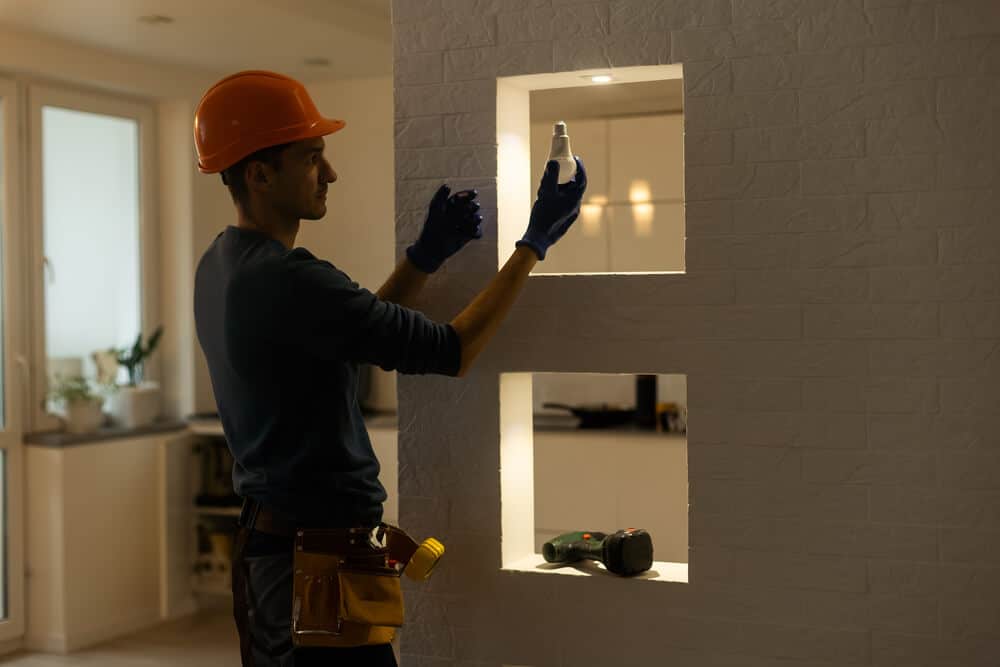
Replace incandescent light bulbs with LED alternatives. LED light bulbs consume just 25% of the power consumed by incandescent bulbs, and are no less than 25 times more durable. Installing Energy Star bulbs will result in optimal savings and reliability.
Cooler color temperatures are better when in work areas. Avoid higher wattage bulbs unless you really require one. They just push up your energy consumption without providing any additional value.
2 Smart Controls
Smart systems provide added control and convenience. Motion sensors work beautifully in corridors or bathrooms since they turn off the light when no one is in the room.
For further ease, you might want a smart system of lights that can be operated remotely or through voice. These systems also save energy, since they will turn lights off unless they are truly needed.
3 Natural Light
Take advantage of daylight to reduce the requirement for internal light during the day. Wherever possible, make use of natural light and place desks next to windows. And, if there are no windows to the outside within the interior space, add a skylight or solar tube to allow more daylight inside.
4 Strategic Placement
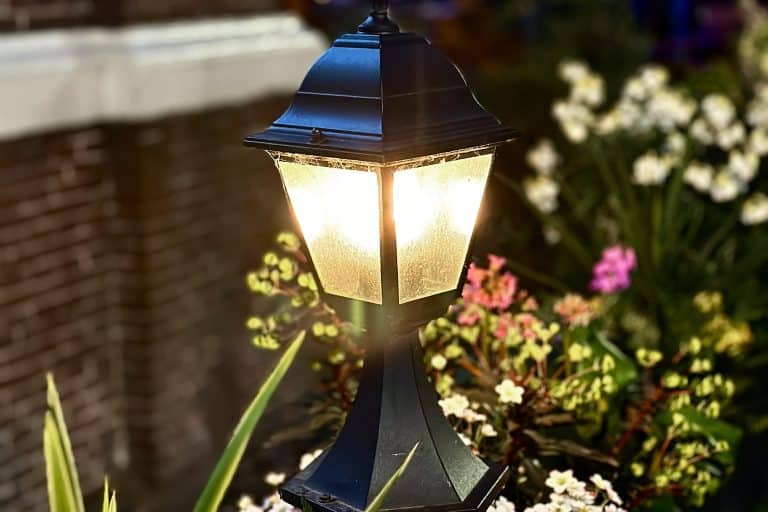
Strategically installing light fixtures can improve their utility. For instance, undercabinet lights in kitchen workspaces allow you to light only the area you are working on, without needing to light up the entire space. Also, if you have outdoor lights, make sure those emotive lights are not wasting energy in locations where you rarely hang out.
5 Fixture Maintenance
Dirty or dusty globes and light fixtures will reduce light output, so make it a habit to clean them. Last, consider replacing any old or inefficient fixtures with energy-efficient ones. Also, check wiring and connections again.
Maximizing Your Lighting Design
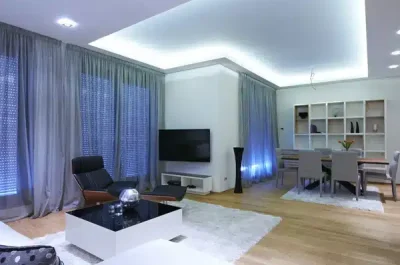
Good lighting design is not only about selecting energy-efficient light bulbs but including some smart strategies that accomplish the same results with less light without losing functionality or comfort. You can achieve substantial energy efficiency while maintaining your aesthetic by placing the various features of light in balance.
-
Layering Light
Layering light refers to the use of a mix of ambient, task, and accent lighting to create a flexible and functional lighting plan. Ambient light serves as the main source of illumination, while task lighting focuses on areas where brighter, concentrated light is needed for activities like reading or cooking.
Accent lighting, on the other hand, adds depth and highlights decorative elements or architectural details. Using these layers together helps you achieve balance and reduces the need to rely solely on energy-draining ceiling fixtures.
-
Color Temperature
The appropriate color temperature will make your environment more energy efficient and create the correct mood or ambiance. Warm (2700K-3000K) white lighting is used for casual spaces in your home (e.g., living rooms and bedrooms) and will be calming. Cool (3500K-5000K) white lighting is better for functional spaces (e.g., kitchens or offices).
-
Reflective Surfaces
Reflective surfaces are a great means of reflecting natural or artificial light, thereby lessening the need for additional fixtures if incorporated in your design. For you to gain or maximize your lighting design, you could position a mirror at the back of a window to incorporate daylight or simply add a gloss finish to your furniture, walls, or ceiling. Paint colors that are light in tone can also contribute to brightness and lessen shadows.
Cut Energy Costs
The initial procedure for cutting down on fees is to prioritize better lighting. Swapping old incandescent bulbs for energy-saving bulbs and shutting down unnecessary lights saves money and reduces wastage. Moreover, by replacing bulbs with LED-type items, not only do you save on power usage, but you will also receive the same amount of lumens as an incandescent bulb, and assist in extending the lifespan.
Energy-efficient lighting matters in New Orleans, where summer heat keeps homes and businesses running hard. LED systems cut electricity use while standing up to our humidity, a smart long-term choice across the metro and Northshore.
There are easy, small changes around your home that will increase your comfort factors, reduce energy consumption, and lower your costs. Are you ready to save energy with simple changes? Contact us at Big Easy Lighting and watch how small changes add up.

Big Easy LightingOutdoor and landscape lighting for homes and businesses across New Orleans and the Northshore. Free estimates and evening demos.