New Orleans courtyards and balconies light best with small, hidden fixtures and light bounced off brick, plaster, and plants rather than one bright fixture overhead. Wash a wall to make a narrow courtyard feel wider, uplight a tree or fountain for a focal point, and light a balcony from its ceiling so it glows from the street. Use wet or damp rated fixtures, keep glare out of the neighbors’ windows, and check with the historic district commission before changing fixtures on a historic facade.
At Big Easy Lighting, the courtyard and the balcony are two of the most New Orleans spaces a home can have, and two of the trickiest to light. Courtyards are enclosed, often narrow, and wrapped in old masonry. Balconies hang over a sidewalk where every neighbor and passerby can see them.
Both spaces do a lot for a home’s look after dark, which is why they come up so often in curb appeal lighting plans. A lit balcony is the first thing people notice from the street, and a glowing courtyard seen through a gate or carriageway tells everyone the house is lived in and cared for.
This guide sticks to fixtures and where to put them. Ironwork, railings, and any repair to the structure itself are jobs for other trades.
Why Courtyards and Balconies Are Hard to Light Well
Most lighting mistakes in these spaces come from treating them like a backyard. A backyard has room for light to spread out. A courtyard has walls a few feet away on every side, so a single bright fixture bounces around the space and turns it harsh and flat.
Balconies have the opposite problem. They are open to the street, so any fixture that is too bright or aimed badly shines straight into the house across the way. And both spaces sit in our humidity year round, often under plants that drip and gutters that overflow during summer storms.
The fix in both cases is the same idea: use more small sources at lower brightness, hide them where you can, and let the surfaces of the space do the work.
Courtyard Lighting Ideas
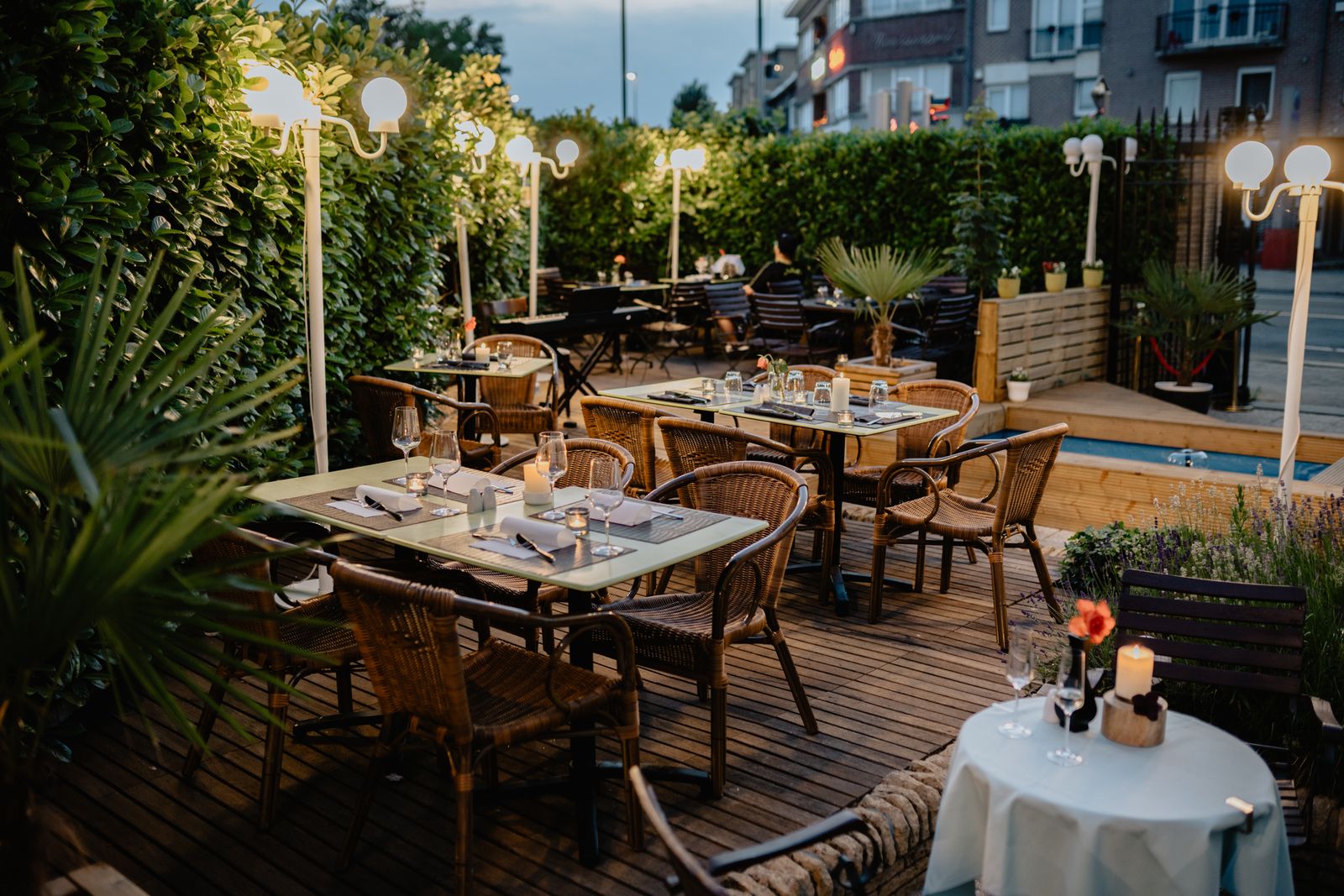
A typical New Orleans courtyard has brick or plaster walls, a paved floor, potted plants or a planted bed, and sometimes a fountain. Each of those is a chance to place light where it flatters the space.
Wash the Walls
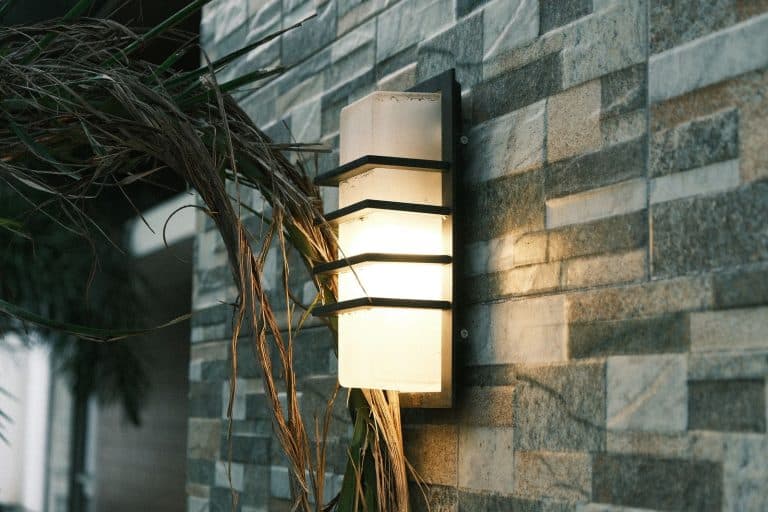 Light aimed at a wall, either grazing up from the ground or washing down from above, makes a narrow courtyard feel wider and shows off the texture of old brick and plaster. Because the light reaches the eye after bouncing off the wall, it feels soft even when the space is small. For a tight courtyard, it is usually the best first layer.
Give the Space a Focal Point
Every courtyard has one thing worth looking at: a banana tree, a big fern, a statue, a fountain. A single uplight on that feature gives the eye somewhere to land and makes the courtyard feel planned. Keep the fixture tucked behind a pot or under foliage so guests see the glow and not the lamp.
Light Water Carefully
Fountains and small pools are beautiful at night when they are lit from below or from the side. Any fixture in or near water needs to be rated and installed for that use, and anything going into the water itself should be specified and connected by a qualified professional. A little light on moving water goes a long way.
Keep the Paths and Steps Safe
Uneven brick and flagstone are part of a courtyard’s charm and a real tripping hazard after dark. Low path lights or small step lights along the route from the gate to the door keep footing visible without lighting the whole space up. A few well-placed points are usually enough.
Balcony and Gallery Lighting Ideas
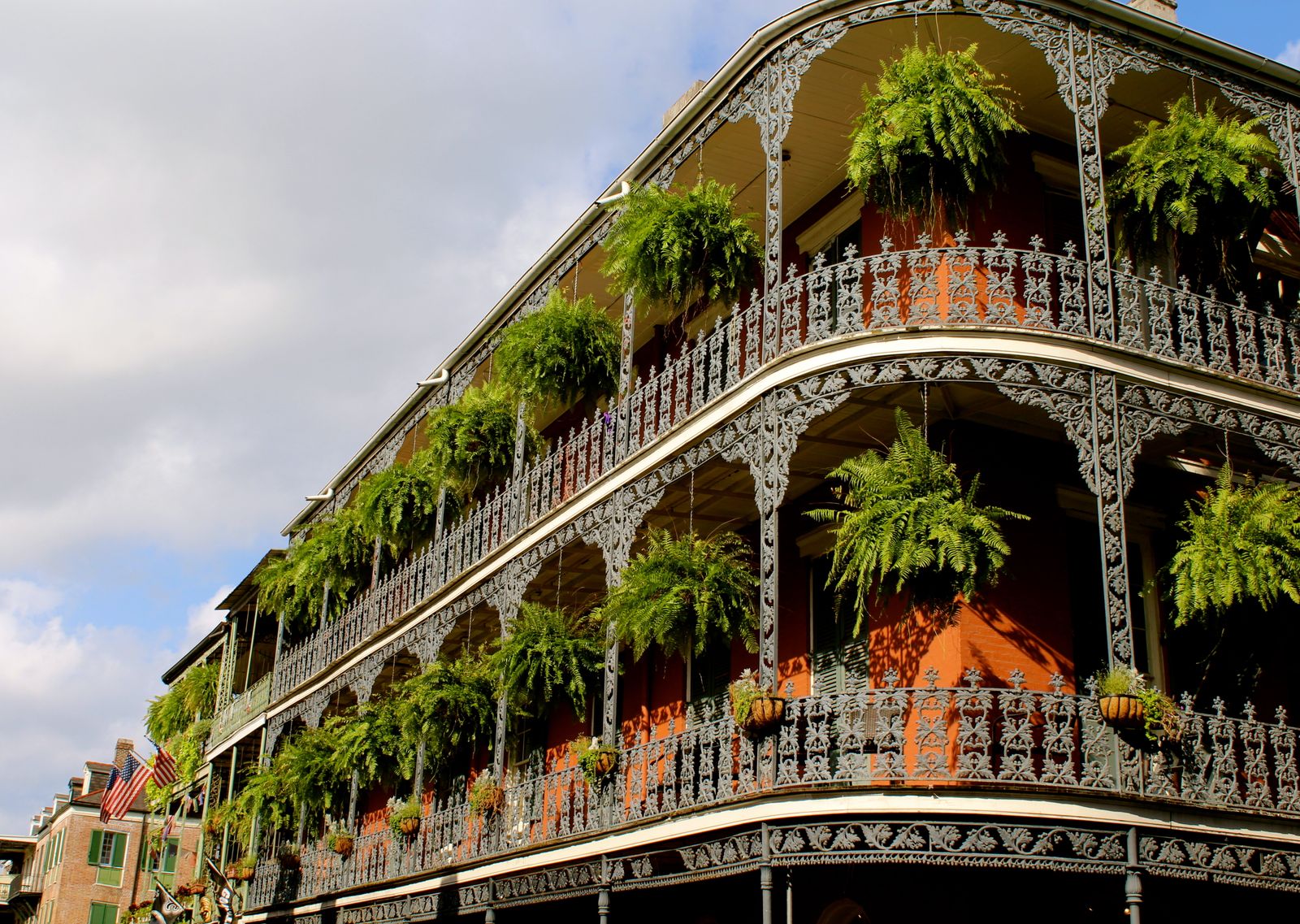
Balconies and galleries are where a house meets the street, so the lighting there does double duty. It has to make the space pleasant for whoever is sitting on it and look good from the sidewalk below.
Light From the Ceiling or Soffit
A covered balcony or gallery usually has a ceiling or soffit, and that is the best place to mount light. Small downlights or a pair of ceiling fixtures spread light across the floor and the facade without putting a bright bulb at eye level. From the street, the whole balcony reads as a warm band of light.
Use Wall Lanterns as Accents
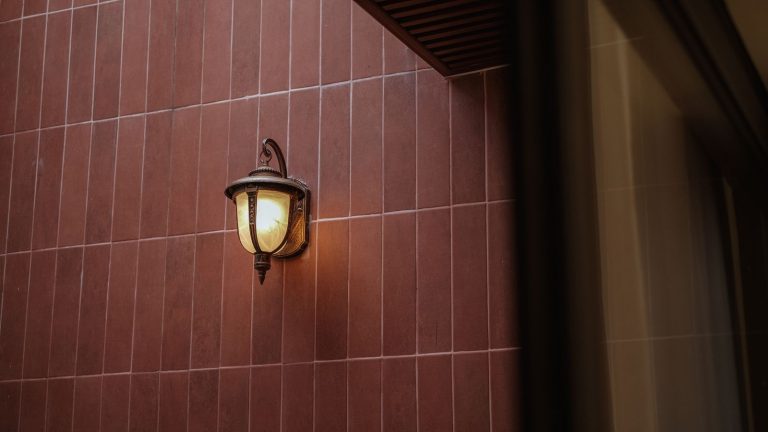 Lanterns beside a balcony door are a classic look on New Orleans homes, and many historic houses still have gas lanterns. Electric lanterns can echo that style, and they work best as accents, kept warm and fairly dim, with the ceiling lights doing most of the work. If you are thinking about changing a gas fixture, that work involves the gas line and belongs to a licensed professional.
Aim Light at the Plants
Hanging ferns and planters are a big part of the balcony look. Soft light aimed down onto the plants from above, or small uplights hidden in planters, makes the greenery glow from the street. Aim every fixture into the balcony and onto your own facade so none of it lands in the windows across the street.
Fixtures That Stand Up to New Orleans Weather
Courtyards trap moisture, and balconies take wind-driven rain during storms. Fixtures in either space should carry a wet location rating if they are exposed to rain, or at least a damp location rating if they are under a roof or soffit. Sealed connections and corrosion-resistant finishes hold up better in our humidity.
Low-voltage LED systems are a good match for both spaces. They run cool, use little power, and the small fixtures are easy to hide. If you want to go deeper on materials, our guide to weather-resistant lighting options covers that side of the decision.
Color Temperature and Brightness
Warm white light, usually in the 2700K range, suits brick, plaster, and plants and matches the glow of traditional lanterns. Cooler light tends to look out of place on an old facade.
Brightness matters as much as color. In a small courtyard or on a balcony, it is easy to overdo it. Dimmers or a lighting controller let you set a brighter level for a dinner and a softer level for the rest of the evening, and timers mean nobody has to remember to switch the balcony on at dusk.
Historic Homes and Exterior Changes
Many courtyards and balconies belong to homes in historic districts, where visible exterior changes may need review before they go up. New fixtures on a facade, visible conduit, and how a fixture attaches to historic material are the usual points of discussion. Our post on historic district lighting guidelines explains the general process. Confirm the specific requirements with the local historic district commission before any fixtures go up.
See Your Courtyard Lit Before You Commit
The best way to plan courtyard and balcony lighting is to see it at night in the actual space, because brick, plaster, and plants all reflect light differently. If you would like help working out where the fixtures should go, our team plans residential outdoor lighting for homes across the greater New Orleans area. Request a free estimate or call (504) 784-6858, Monday through Friday, 8 AM to 6 PM.
Frequently Asked Questions
What Is the Best Way to Light a Small Courtyard?
Use several small, hidden fixtures at low brightness instead of one bright light overhead. Washing a wall and uplighting one focal point, like a tree or fountain, makes a small courtyard feel larger and softer.
How Do You Light a Balcony Without Bothering the Neighbors?
Mount light on the balcony ceiling or soffit and aim it down onto the floor, plants, and your own facade. Keep lanterns warm and dim, and make sure no fixture points across the street into other windows.
What Are New Orleans Style Light Fixtures?
Lanterns are the classic New Orleans look, including the gas lanterns found on many historic homes. Electric lanterns in a similar style are common too, usually mounted beside doors and on balconies and galleries.
Do Balcony Lights Need to Be Weatherproof?
Yes. Fixtures exposed to rain need a wet location rating, and fixtures under a balcony roof or soffit need at least a damp location rating. Corrosion-resistant finishes last longer in New Orleans humidity.
Do I Need Approval to Add Lights to a Historic Home?
It depends on where the home is. Exterior fixture changes on a property in a historic district may need review first, so confirm the requirements with the local historic district commission before installing anything.

Big Easy LightingOutdoor and landscape lighting for homes and businesses across New Orleans and the Northshore. Free estimates and evening demos.