Many North Shore neighborhoods in Covington, Mandeville, and Madisonville have homeowners associations whose covenants can touch outdoor lighting, usually fixture approval, glare onto neighboring lots, floodlights, and holiday or colored lights. Rules differ by neighborhood, so read your own covenant, ask your HOA’s architectural review committee before installing, and check with your local zoning office. Shielded, downward-aimed, warm white lighting on timers avoids most common complaints.
At Big Easy Lighting, we light homes on the North Shore, and for many homeowners there the first lighting question is a simple one: what does my HOA allow? Planned neighborhoods across St. Tammany Parish often come with covenants, and exterior lighting is one of the things those documents can cover.
If you live in a subdivision around Covington, our Covington outdoor lighting page covers the services and the area itself. This post is about the other side of the project: figuring out what your neighborhood expects before a fixture goes in the ground, and fixing the problems that come up when lighting and neighbors don’t get along.
One important note before we start. Every HOA writes its own rules. Nothing here describes any specific neighborhood’s covenant, and the only way to know what applies to your home is to read your own documents and ask your association.
What HOA Lighting Rules Commonly Cover
Covenants vary a great deal, but lighting rules tend to fall into a handful of familiar areas. Knowing them helps you know what to look for when you open your own documents.
- Approval before installation. Many associations ask homeowners to submit exterior changes to an architectural review committee first.
- Glare and light trespass. Rules may limit light that spills onto neighboring lots or shines into windows.
- Floodlights and security lights. Some covenants address bright fixtures, motion sensors, or lights left on all night.
- Fixture style and color. Some neighborhoods keep a consistent look for front-of-house fixtures.
- Holiday and colored lights. Seasonal displays may come with dates for when they can go up and come down.
Common Lighting Problems and How to Fix Them
Most HOA lighting issues start with a symptom: a letter, a neighbor’s comment, or a light that just feels wrong at night. Here is what usually causes each one and what tends to fix it.
A Neighbor Says Your Lights Shine Into Their Windows
This is the most common complaint, and it is almost always a fixture that is unshielded, aimed too high, or brighter than it needs to be. Re-aiming the fixture downward, adding a shield or hood, swapping to a lower output lamp, or moving the light closer to what it is meant to illuminate usually solves it. Uplights on trees near a property line are a frequent culprit, since the light can carry past the canopy toward the house next door.
You Received a Letter About a Floodlight
Bright floodlights mounted high on a garage or eave light a big area, including parts of the street and the neighbors’ yards. Replacing them with shielded fixtures that point down, adding a motion sensor so the light only comes on when needed, or breaking one flood into several smaller lights aimed at the driveway and entry often satisfies both the security goal and the neighbors.
The HOA Wants Approval Before You Install
If your covenant requires architectural review, plan for it before scheduling any work. Associations commonly ask for a description of the project, the fixture styles, and where the fixtures will go. A simple site sketch and the manufacturer’s product sheets for each fixture make that request easier to review. Wait for written approval before installing anything covered by the rule.
Your Holiday or Colored Lights Drew a Complaint
Seasonal lighting is where covenants most often set dates and limits. Check whether your documents say when holiday displays can go up and how long they can stay. If you have color-changing lighting, setting it back to warm white outside the holidays keeps the same fixtures working year round without standing out.
Your Lights Burn All Night
Lights that burn until sunrise are more likely to bother neighbors and run up the power bill. Timers, photocells that turn lights on at dusk, and dimming schedules let landscape and accent lighting run for the evening and shut off or drop to a low level later. Security lights paired with motion sensors stay dark until something moves.
Where to Find the Rules That Apply to Your Home
Start with your own paperwork. Covenants, deed restrictions, and architectural guidelines are often included in closing documents, and many associations post them on a website or share them through a management company. If you can’t find them, ask your HOA board or property manager directly.
HOA rules are only one layer. Your city or parish may have its own zoning or lighting requirements, so check with your local zoning or permitting office too. When an HOA rule and a local requirement both apply, you will want to meet both. Homes in Mandeville have their own Mandeville lighting page with more about that area.
Lighting Choices That Tend to Avoid Problems
Without knowing your specific covenant, a few design habits tend to keep outdoor lighting on good terms with the neighbors and with an architectural review committee.
Aim Down and Shield the Source
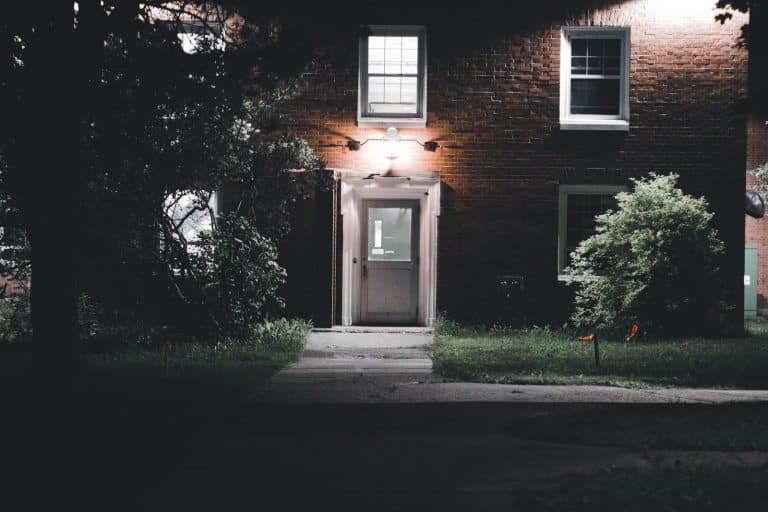 Fixtures that point down and hide the bulb put light where you want it and keep it off neighboring property. Path lights, downlights under eaves, and hooded wall fixtures are good examples.
Choose Warm, Moderate Light
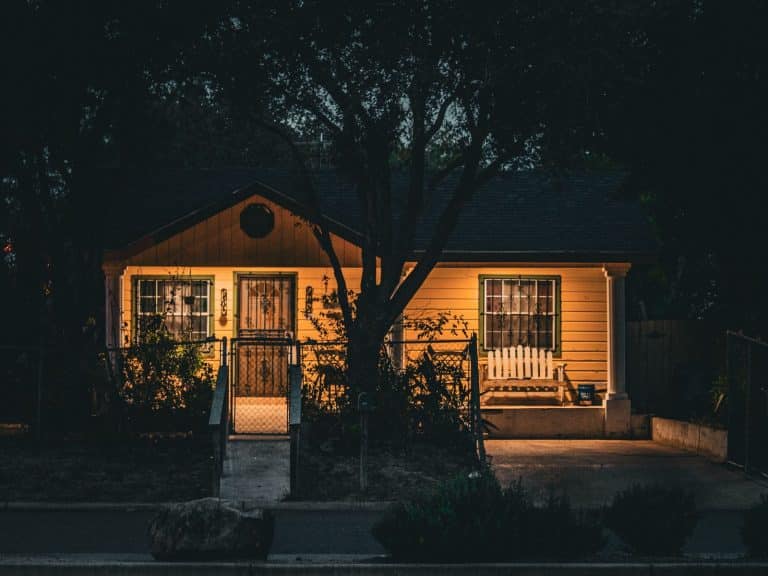 Warm white light, usually around 2700K to 3000K, looks natural on homes and landscaping and reads as softer than cool white. Moderate brightness from several fixtures looks better than a few very bright ones, and it is less likely to draw a complaint.
Put the System on a Schedule
Low-voltage LED landscape systems pair easily with timers and dimming. Setting the lights to run in the evening and switch off later at night is one of the simplest ways to be a considerate neighbor.
Plan the Lighting and the Paperwork Together
The smoothest projects build HOA review into the design from the first sketch. Know what your covenant says, put together a clear plan, and get approval before anything is installed. If you would like help putting together a lighting plan for a North Shore home, our team works across our service areas on both sides of the lake. Request a free estimate or call (504) 784-6858, Monday through Friday, 8 AM to 6 PM.
Frequently Asked Questions
Can My HOA Restrict Outdoor Lighting?
Many HOA covenants include rules that touch exterior lighting, such as approval requirements, limits on glare, or rules for holiday displays. What applies depends entirely on your own neighborhood’s documents, so read your covenant and ask your association.
Do I Need HOA Approval for Landscape Lighting?
Some associations require architectural review for exterior changes, which can include landscape lighting. Check your covenant or ask your HOA’s architectural review committee before installing, and wait for approval if it is required.
How Do I Stop My Outdoor Lights From Shining on My Neighbor’s House?
Aim fixtures downward, add shields or hoods, lower the brightness, and move lights closer to what they are meant to illuminate. Uplights near a property line and high floodlights are the most common sources of spill.
What Is Light Trespass?
Light trespass is light from one property spilling onto another, such as a floodlight shining into a neighbor’s bedroom window. Shielded, downward-aimed fixtures and lower brightness are the usual ways to prevent it.
Where Can I Find My HOA’s Lighting Rules?
Look in your covenants, deed restrictions, and architectural guidelines, which are often part of your closing documents. Many associations also post them online or share them through a management company. Your local zoning office can tell you about any city or parish requirements.

Big Easy LightingOutdoor and landscape lighting for homes and businesses across New Orleans and the Northshore. Free estimates and evening demos.