By Admin
  Aug 5, 2025
How To Use Color Temperature in Residential Lighting
-
 By Admin


Opening Hours 9:00 am to 6:00 pm

Talk to an Expert 504-784-6858
1. Key Takeaways
2. What Are Smart Lighting Systems?
3. Benefits of Smart Lighting Systems
4. Types of Smart Lighting Technologies
5, How to Choose the Right Smart Lighting System
6. Emerging Trends in Smart Lighting
7. Unlocking the Full Potential of Smart Lighting for Your Home
Lighting controls are revolutionizing how homes operate, delivering more intelligent means of controlling comfort, ambiance, and energy. Homeowners can adjust brightness, color, and schedules with a simple touch or voice command due to intuitive automation. The outcome is a more tailored and energy-saving lifestyle.
In areas such as New Orleans, where form and function are critical, creative solutions such as those of Big Easy Lighting are becoming popular. With the right lighting controls, existing smart home systems today can be easily integrated into everyday life, enhancing comfort without increasing energy consumption. Ready to simplify your lighting and save energy at the same time? Reach out to Big Easy Lighting and let’s find the best setup for your home.
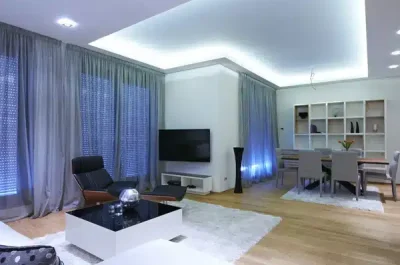
Smart lighting solutions are IoT-enabled, which makes them extremely responsive and adaptable. They use LED lamps, wireless connections, and sensors to provide app or voice control. From regulating brightness levels to scheduling when lights switch on and off, the solutions make house lighting easier and more customizable.
Core functionality involves dimming, color adjustments, automation, and motion detection, all of which are app- or voice assistant-controllable. Certain systems learn habits, scheduling lighting based on time or mood, like simulating sunrise for wake-up or using warmer colors at night.
Compared to traditional light, based on static switches, smart lighting is based on automation to meet the presence, daylight, and certain user options. Smart bulbs enjoy a far longer lifespan in hours, meaning fewer replacements and waste expenditure.
Smart lights not only appear high technology, but they also provide advantages such as energy backup, easier daily tasks, safety, and personalization of each space according to your needs. Smart lighting systems make your living space more comfortable, more functional, and simpler to inhabit
Smart lighting systems increase the efficiency, safety, and simplicity of family lighting. They are easy and energy-saving and can be customized to meet your needs.
Smart lighting uses automation and LED bulbs to save energy. Light control prevents waste sensors and light movement in rooms without people. In the long run, this reduces the cost and extends the life of the light bulb.
Voice commands and applications enable you to simply turn your lights on and off from wherever you are. Set reading, cooking, or relaxing scenes with lights and maintain constant light in each room.
Automated lights turn on when you are not present to create the appearance that someone is home. Exterior motion-sensing lights will discourage burglars, and the remote control lets you look in or adjust lights remotely for additional peace of mind.
Brighter lighting adjusts to you—cozy light when relaxing, energized light when working. Even syncs with music or video for a more immersive experience.
Smart lighting exists in various shapes, and each has distinct features suitable for different home configurations. Selecting the best is a function of desired features, budget, and compatibility.
Smart bulbs are easy to install and fit most sockets. They let you adjust brightness, color, and schedules. Some advanced models even change based on the room’s lighting.
These devices swap out old switches without major rewiring, making it easy to modernize older homes. Wireless switches offer hands-on control along with app and voice access.
The motion sensors light up and shut off when no one is present. Suitable for use in the corridor, bathroom, or outside, they can help conserve energy and safety, especially when combined with other smart devices.
Accessible lights are controlled through systems with assistants like Siri and Alexa. Voice control offers simple and convenient ways to adjust everything from brightness to color.
The function of control hubs, such as Apple HomeKit or SmartThings. Is used. To help them be more automatically and coordinately controlled, they merge lights with other smart devices, such as security or heating.
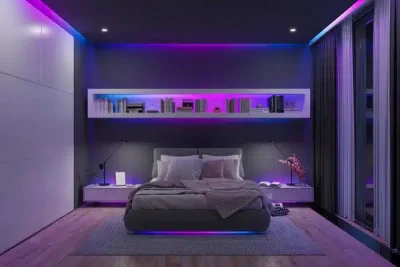
Select the appropriate smart lighting system that requires it to combine with the design, equipment, and goals of your home. To achieve maximum value, focus on compatibility, expansion, and energy efficiency.
First, determine which locations will benefit from additional light. Bedrooms like soft, flexible lighting, whereas kitchens usually need intense illumination for work. Take into account each space’s natural light and adjust the design accordingly.
Check that the new lighting works with your smart speakers, thermostats, or hubs. Open systems like Zigbee or Matter make connections easier and more flexible.
Choose systems you can expand stepwise. Adding bulbs or switches, room after room, saves money and is ready for the future. Avoid systems that only work with certain devices.
Costs vary, but returns in energy savings and convenience can justify the investment. Starter kits offer an affordable entry point, and most systems pay for themselves in reduced power usage over time.
Smart lighting systems are becoming more efficient, adaptive, and connected. With AI, sensors, and improved protocols, they enhance comfort, save energy, and support sustainable living.
Protocols like Matter and Zigbee help smart lights work well with different devices. Bluetooth Mesh and Wi-Fi 6 boost connection strength and speed, making automation smoother and more reliable.
Smart systems adjust to natural light and daily habits. Lights brighten at sunset and dim when rooms are empty. Some even change color during the day to help you feel better and stay alert.
Smart lighting systems may learn your habits and automatically change settings based on different activities. Coupled with voice control, it makes controlling your lights easy and convenient.
Smart lighting makes life more convenient, comfortable, and secure daily. It adapts to your requirements, conserves energy, and brings style to your residence. The appropriate system evolves with your lifestyle and the seasons. Whether you want to set the mood for a quiet evening or boost security when you’re away, smart lighting makes it effortless. It’s a practical upgrade that adds comfort and a touch of sophistication to any room.
If you’re ready to make your home smarter and more comfortable, we’re here to help. Contact us at Big Easy Lighting, and we’ll guide you to the best system for your space and lifestyle—let’s brighten your home together!