By Admin
  Sep 16, 2025
How To Upgrade Your Outdoor Lighting For Enhanced Security in New Orleans, LA
-
 By Admin


Opening Hours Mon - Fri: 8:00 AM - 6:00 PM

Talk to an Expert 504-784-6858

Having mastered the art of lampscaping — creating an atmosphere with light and functionality, Decorating meets function in lampscaping — curating lights according to one’s mood and preference. We have a lampscape for the best in mood and function.
Great lighting design balances beauty and function, something New Orleans homes old and new all benefit from. We plan fixtures, placement, and layering that elevate the look of any room or exterior.
At Big Easy Lighting, we can assist you in getting the accurate lighting system your space needs. Let us brighten your home with the right balance of beauty and function. Reach out today, and let’s start designing the lighting story that’s uniquely yours.
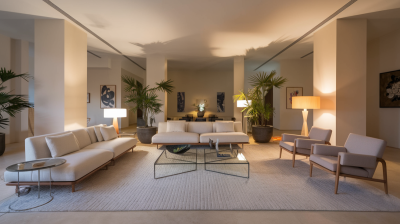
Lampscapes include the function of brightening spaces with artworks. By understanding the principles, one learns to compose beautiful lighting plans with intent.
Combine your general lighting with task and accent lighting to have a well-lit space. Ambient lighting fills all spatial areas with brightness, task lighting helps with its specifics, and accent lighting shines to highlight spaces. For example, use recessed lighting for general lights, a desk lamp for tasks, and a wall fixture to showcase art. Correct placement prevents harsh shadows, and dimmers help modify moods.
Mood is set by color temperature-warm tones (2700K-3000K) are comforting, while cooler tones (3500K-4000K) sharpen focus. Presently, all fixtures use similar color temperatures, as mixing them would disrupt the balance. To achieve the perfect effect, always test in situ.
Light can focus on key features—art or dining tables, for example: pendant lights over kitchen Islands or directed uplights for sculptures. Interesting fixtures can attract conversation, but they’re least effective if they’re period pieces.
Patterns introduce depth and interest through shadow play. Shade plays wonderful games on walls and uplights plants. A lamp, for example, very near a leafy plant can cast dynamic shadows. Combine that with the ambient light needed for maximum functionality.
It influences the eye by placing different heights of lights. The brights should stand out while the softer luminaries play with their surroundings. For example, an ottoman next to a coffee table can become a star while other seats keep the balance. A proper light distribution approach will prevent cluttered designs.
It is all about lighting tools if you are interested in experiencing a bit of good life forms in your backyard. Their place is somewhere else, but knowing their characteristics will help you make an arrangement that is elegant, yet effective in lighting.
Task lighting is vital, for example, in kitchen counters and desks, while pathway lights for outdoor safety. Flexible fixtures work well in areas with constantly changing needs, such as reading corners or dining rooms. Glare will be greatly reduced using the proper placement of task and ambient light.
Lighting should harmonize with the theme of the room. Sleek metals work with modern spaces, and wood seems warm within rustic designs. Mixing materials can enrich a room where uniform fixtures can seem cold. Striking pendants can offer some of this character.
Weather-resistant materials like stainless steel or treated wood are needed for outdoor lighting. High-quality materials protect the fixtures from wear. Also recommended are eco-friendly finishes like bamboo and recycled metals. Ensure that fixtures are of endurance with their locations, for example, moisture-resistant ones in bathrooms or patios.
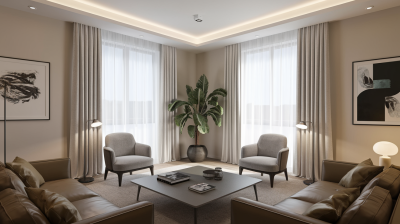
Great lighting can transform a space into a wonder, nothing compared to what smart and sustainable lighting can do. Smart and sustainable lighting would keep style and comfort intact and sacrifice energy efficiency.
Light models an environment. Ultimately, the right lamps and placements weave an atmosphere, texture enhances spaces, and efficient overall design balances aesthetics with function to make lighting the most personal and expressive instrument of comfort. From warm glows to a defined task light, light itself brings mood and function space together. Enjoy forging your aesthetic while keeping sustainability in mind.
The true beauty lies in finding the right combination that creates an illuminated space with character—letting the light tell your story. Let us do the work for you. Contact us at Big Easy Lighting.